Embroidery Designer Review: The Minimalist Flowers Embroidery Pattern
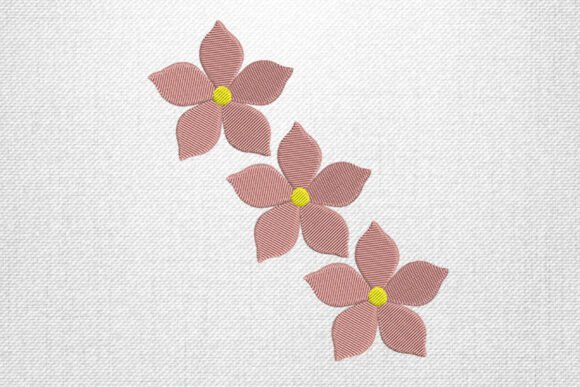
As an embroidery designer preparing a limited sweatshirt drop for a boutique brand, my first task is to evaluate the design’s potential. The Minimalist Flowers embroidery pattern arrives with a simple promise: to add an elegant touch. The initial impression is one of quiet, controlled charm. This isn't a wild, sprawling garden; it’s a curated row, a deliberate line of soft pink flowers with yellow centers. The mood is decidedly feminine and minimal, but with a playful softness that avoids being overly serious or stark.
A Layout Built for Garment Placement
The linear layout of Minimalist Flowers is its greatest practical asset for sweatshirt embroidery. This isn’t a centered, blocky motif; it’s a flowing element. For a hoodie design, it’s perfect for a subtle chest placement, running along the left or right side near the shoulder. It translates beautifully to sleeve accents, offering a modern alternative to full sleeve prints. For a more statement piece, this row could be scaled and positioned as a striking back design. This versatility is crucial for a small shop product where one embroidery file needs to serve multiple garment styles.
Thread & Fabric: The Real-World Test
Moving from the screen to the stitch, practical concerns surface. The described soft pink and yellow centers require consideration. On a neutral sweatshirt—cream, oat, grey—the contrast will be gentle and premium, enhancing that elegant touch. On dark fabric like navy or black, these colors will pop beautifully, creating a more decorative and noticeable look. On pastel-colored garments, the effect becomes blended and cozy, perfect for seasonal apparel. The presumed stitch density of a minimalist pattern should be manageable, but for thicker fabric texture like a heavyweight sweatshirt or an oversized hoodie, a sturdy stabilizer choice is non-negotiable to maintain definition.
For commercial embroidery, the design’s simplicity is a strength. It should stitch out cleanly and quickly, a key factor for production runs. However, its small-size readability is a point to verify. If scaled down for a tiny sleeve accent, will the flower forms remain distinct? This is a reminder to always check the actual detail level and recommended hoop size in the digital embroidery file before production. The stitching personality here feels precise and clean, not rustic or bold, which aligns with a boutique brand aiming for a polished, handmade product presentation.
From Hoop to Product Photography
When the stitching is done, how does Minimalist Flowers perform as a finished product? On the garment, it should look intentional and integrated, not like an appliqué. This enhances product value and buyer trust—it feels like part of the apparel’s original design. For lifestyle product photography and Etsy listings, this pattern is a star. Its clean lines look excellent in printable mockups and flat lays. It provides a visual focal point without overwhelming the garment, allowing the custom apparel itself to shine. For a boutique brand, this helps build a coherent brand identity; a recognizable, repeating design element across a collection fosters visual recognition.
Is It Strong Enough for Commercial Use?
The final question for any design destined for custom apparel branding is durability and impact. Minimalist Flowers, from its description, feels strong enough. It’s not overly delicate or complex, which suggests good washing durability. The aesthetic impact is more about subtle customer engagement than loud declaration. It’s casual yet cute, suitable for everyday wear but with a special detail that sparks conversation. It fits within the Bouquets Bunches category conceptually, offering a linear “bunch” rather than a clustered bouquet. For the embroidery shop or digital seller, it’s a solid design asset that can be reliably deployed across a range of projects.
In summary, the Minimalist Flowers pattern presents a compelling option for a premium sweatshirt collection. Its elegant, linear simplicity offers versatile placement, a clean stitching profile, and a visual mood that balances feminine charm with minimalist sophistication. It feels premium and decorative without being fussy. For creative entrepreneurs, the key next step is to obtain the file and test the specific parameters—thread color contrast, exact stitch density, and minimum hoop size—on your actual fabrics. When those align, this design has the potential to elevate a simple sweatshirt into a standout piece of boutique merchandise.