An Embroidery Designer’s Review of Red Floral Pattern
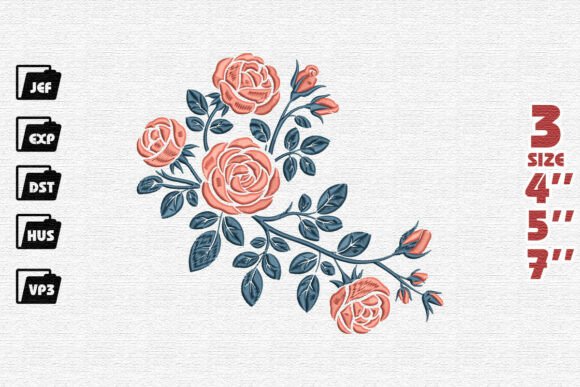
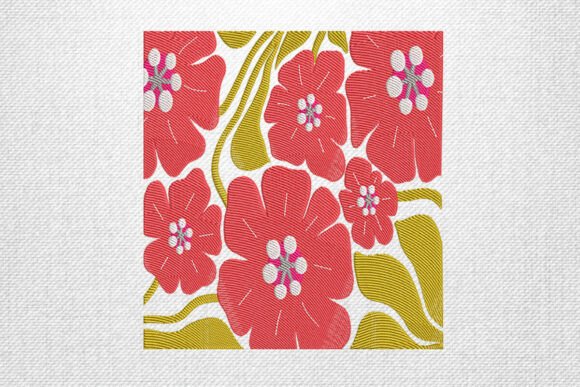
As a designer preparing for a weekend craft fair, I’m constantly evaluating new embroidery designs through a very practical lens. It’s not just about whether a design is pretty; it’s about whether it will sell, look good in person on a product, and be practical to produce in batches. Today, I’m looking at the Red Floral Pattern, a design described as featuring bold red flowers with olive-green leaves and flowing details. Here’s my real-world judgment on turning this embroidery file into successful craft fair products.
First Impression: Bold Elegance for Handmade Markets
The name Red Floral Pattern immediately sets a clear expectation. This isn’t a soft, pastel bouquet or a minimalist sketch. The promise of “bold red” and “elegant design” suggests a piece with strong visual impact. For a busy craft fair booth, that’s a significant advantage. From a distance, bold colors and clear shapes catch the eye. This design feels decorative and premium, leaning toward a timeless, elegant aesthetic rather than cute or rustic. It has the potential to stand out on a table crowded with handmade items.
Where This Design Would Stand Out on the Booth
Imagine your display: tote bags, aprons, tea towels, caps, patches, and pillow covers. The Red Floral Pattern, with its contrasting red and olive-green, naturally draws attention. On a light-colored tote bag or market bag, it becomes a striking focal point. Embroidered on a tea towel or apron, it elevates a simple kitchen item into a giftable handmade product. As an embroidered patch, it could attract customers looking for a bold accent to customize their own items.
My instinct for a craft fair product lineup would be to feature it prominently on a few key items. A well-made pillow cover with this design could command a higher price point. A simple fabric pouch with the floral pattern becomes a premium small gift. The key is to let the design’s elegance shine on products that have a clean, quality base fabric.
Practical Performance on Specific Products
- Tote Bags & Aprons: Excellent choice. The bold scale likely works well as a large, central design. It conveys handmade quality instantly.
- Tea Towels & Kitchen Towels: A strong contender, but test on the fabric texture first. Dense stitch areas on textured towels can sometimes lose clarity.
- Caps: Be cautious. The curved surface of a cap can distort designs, and flowing details might not translate well unless the embroidery file is expertly adapted.
- Embroidered Patches: This depends entirely on the design’s complexity at smaller sizes. If the details remain clear when reduced, a red floral patch could be a popular small shop product.
- Pillow Covers & Booth Samples: Ideal. These are perfect for showcasing the design’s full elegance and increasing perceived product value.
Selling & Production Considerations for Your Business
For an Etsy seller or boutique maker, production efficiency is crucial. Here’s how Red Floral Pattern measures up.
Visual Clarity & Batch Production: A design with bold, distinct elements is easy for customers to understand at a glance—a major selling advantage. This likely makes it feel repeatable for batch production, as the outcome should be consistent across multiple items, aiding brand consistency.
Photography & Online Listings: The color contrast (red vs. olive-green) should photograph beautifully for Etsy listings and printable mockups, popping even on a screen. This is a huge benefit for digital sellers and crafters using design assets for marketing.
Scale Flexibility: A critical question: does it work as a small accent? Without seeing the actual embroidery file, I’d advise checking if tiny details, like the “flowing details” mentioned, would get lost if scaled down for a small pouch or cap. Always confirm the intended hoop size recommendations from the designer.
Careful-Use Notes for Commercial Embroidery
Before you run this on 20 tote bags, a few practical embroidery designer notes are essential.
- Test on Scrap Fabric First: Always, always test the machine embroidery design on a scrap of your actual product fabric. Check thread contrast, especially if using on dark fabric—you may need to adjust colors.
- Review Stitch Density & Detail: Bold flowers often mean dense stitch areas. Inspect stitch density on your test run. This affects production time, thread usage, and how it feels on lighter fabrics like linen.
- Use the Right Stabilizer: For a design with flowing details, choosing the correct stabilizer is key to preventing puckering and maintaining that elegant look on the finished product.
- Create a Real Mockup: Before committing to bulk production, create at least one real, physical mockup of your chosen product (e.g., a tote bag). Compare how it looks on different fabric colors.
- Confirm Commercial Licensing: Ensure your digital embroidery file comes with a license for commercial use before selling finished products at your craft fair or online.
How This Pattern Affects Your Booth’s Success
Choosing a design like Red Floral Pattern impacts more than just a single product. It enhances your booth’s visual appeal through strong color blocking. It can attract customer attention from across the aisle. On a well-made item, it increases perceived product value, supporting a higher price point that reflects true handmade quality. When used consistently across a few key products, it strengthens your booth display and brand identity, creating a cohesive look that engages buyers. In the category of Bouquets Bunches, this pattern offers a classic, vibrant option that many customers instinctively understand and desire.
Final Judgment for Craft Fair Entrepreneurs
The Red Floral Pattern presents a compelling opportunity for embroidery business owners and creative entrepreneurs. Its bold, elegant character is a natural fit for products that sell at markets: statement tote bags, premium pillow covers, and giftable kitchen textiles. Its strengths are visual impact and likely photographability. The cautions are standard for any commercial embroidery project: test thoroughly for scale, fabric compatibility, and detail retention.
My recommendation? If the embroidery file’s technical specs (hoop size, stitch count, detail scaling) align with your target products and production capabilities, this design could be a standout in your craft fair lineup. It has the hallmarks of a design that not only looks good in person but also tells a story of quality and elegance to your customers. Remember, the final step is always to stitch it out, hold it in your hands, and see if it feels as sellable as it looks on screen.