Funky Potted Cactus: A Designer's Review for Real Projects
The First Impression: Quirky Charm with Practical Potential
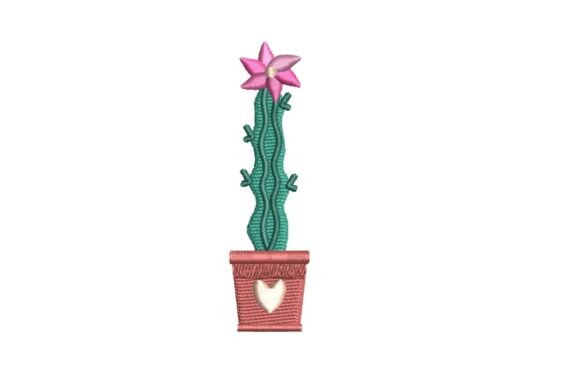
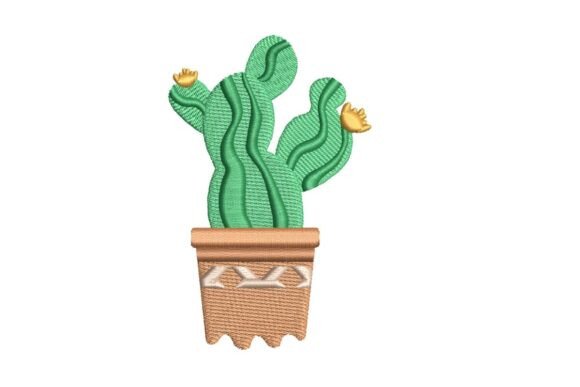
When I first opened the Funky Potted Cactus embroidery file, my immediate thought was, "This is a smile waiting to happen." The design's cartoonish, wavy shape and the playful placement of those small yellow flowers create a lighthearted, friendly mood. It's not a rigid botanical study; it's a character. This personality is its greatest asset for makers. You're not just stitching a plant; you're stitching a vibe—a bit retro, a bit whimsical, undeniably cheerful. For embroidery designers and small business owners looking to inject personality into their products, this is a strong contender.
The layout is straightforward, with a clear focal point, making it adaptable. The level of detail is thoughtful: the varying shades of green suggest texture without demanding an overwhelming number of color changes or impossibly dense stitching. It feels like a design built for real-life embroidery work, not just a digital showcase.
Where This Cactus Naturally Belongs
I instinctively picture this design on items where its charm can shine. Imagine a custom embroidered tote bag for a gardening friend, or appliquéd onto a child's pillow cover for a nursery decor project. It would be a standout on a kitchen towel or apron, bringing a pop of color to a utilitarian item. For apparel decorators, a single Funky Potted Cactus centered on a sweatshirt or t-shirt creates a clean, boutique-style statement. The theme, being a potted plant, carries universal appeal—it's not seasonal, not gender-specific, just pleasant. This makes it an excellent candidate for evergreen stock in a handmade shop or for quick-turn personalized gifts.
Performance in Real-Life Embroidery Situations
Let's walk through a real scenario. Say I'm preparing a batch of embroidered caps for a small shop's spring collection. The Funky Potted Cactus's compact, contained shape is a plus here. It won't sprawl awkwardly on the curved surface of a cap. The satin stitch outlines and fill stitch areas appear balanced in the preview; I'd anticipate good stitch definition without puckering, provided I use the correct stabilizer for the structured fabric.
For baby clothes or lightweight tees, the stitch density becomes a key consideration. A overly dense design can stiffen soft, stretchy fabric. From looking at the visual, the cactus body seems to use fill stitches that should be manageable, but this is where my first practical note comes in: always test on scrap fabric first. Run this embroidery file on a piece of similar material to check the actual density and how the fabric behaves.
Dark Fabric and Visual Clarity
On dark fabric—like a black sweatshirt—the chosen thread colors are critical. The description mentions varying shades of green. If those greens are too dark or lack contrast against a black background, the design can lose its visual punch. I'd recommend reviewing the suggested thread palette and possibly testing a lighter green for the main cactus body on dark backgrounds to maintain that funky, cartoonish clarity. The small yellow flowers, however, will pop beautifully on dark materials, serving as perfect accents.
Careful Application: Where to Proceed with Caution
While adaptable, some applications require extra planning. If you're thinking of scaling this down for a very small hoop size, say for a tiny patch or delicate baby item, pay close attention to those small yellow flowers and the thinner lines. They might need simplification or a thread color change to remain distinct at a miniature scale.
Textured fabrics, like certain blankets or sweaters, can obscure the clean lines of a whimsical design. The Funky Potted Cactus relies on its wavy shape for identity; if that shape gets lost in fabric texture, the charm fades. A sturdy stabilizer is non-negotiable here.
For products destined for frequent washing—like kitchen towels or everyday apparel—consider using high-quality thread and possibly a slightly reduced stitch density for the fills to enhance durability. The design itself, being a solid image without tiny, fragile details, is well-suited for these items, but execution matters for longevity.
Affecting Value and Customer Engagement
From a business perspective, this design elevates a simple product. A plain canvas tote bag becomes a unique, handmade product with this embroidery. It adds perceived value because it feels specific and designed, not generic. For Etsy sellers or craft fair vendors, that uniqueness drives buyer engagement. Customers looking for a personalized gift or a piece of cheerful home decor will recognize its friendly professionalism. It supports brand consistency for a shop with a playful, modern aesthetic.
The giftability is high. It's non-offensive, universally likable, and carries a subtle message of growth and cheer. Whether for a wedding gift (a new home), a holiday gift, or a simple birthday present, it feels thoughtful.
Practical Notes for the Embroidery Designer
Before you commit this design to a client project or your small shop merchandise, run these checks. Test the Funky Potted Cactus on both light and dark scrap fabric. Observe the thread color contrast. Inspect the small details in the stitched sample—do the flower accents look clear? Confirm the hoop size you plan to use accommodates the entire design comfortably without crowding.
For digital product sellers creating printable mockups or using it as a design asset in commercial embroidery projects, a good step is to view the design in a black and white mockup to assess its form independent of color. This helps ensure the shape itself is strong.
Most importantly, check the licensing terms provided with the embroidery file. Can it be used for personal projects only, or are commercial projects allowed? If you're selling finished products like embroidered patches or apparel, or if you're an apparel decorator using it for client work, clear licensing is the foundation of your professional practice.
Use proper stabilizer suited to your base fabric—this is key for maintaining the design's quirky shape on stretchy fabrics or layered garments. The design appears to have no intricate lettering or impossibly dense corners, which makes it a reliable choice, but good technique always brings out its best.
A Final Realistic Assessment
The Funky Potted Cactus embroidery design, from a professional's point of view, is a versatile, character-driven asset. It fits neatly into the Single Flowers Plants category but with a twist that sets it apart. Its strength is its mood and adaptability to popular embroidery projects like tote bags, apparel, and home goods. Its consideration points are typical for any quality design: mindful application on challenging fabrics and proper testing for scale and color.
For crafters, creative entrepreneurs, and makers, it offers a ready-made dose of charm that can translate into a finished product customers will genuinely enjoy. It feels less like a technical exercise and more like a story—a small, funky cactus waiting to brighten up someone's day, and your next embroidery project.