A Review of the Minimalist Floral Embroidery Design
As a professional embroidery designer, my first step for any new project is evaluating the machine embroidery design itself. I approach this with a practical eye, asking: will this embroidery file translate beautifully onto real fabric and add value to a finished product? Today, I’m looking at the Minimalist Floral Embroidery Design from Creative Fabrica.
First Impression: Elegance Through Simplicity
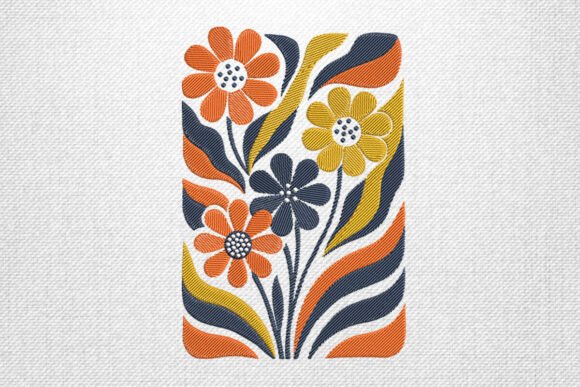
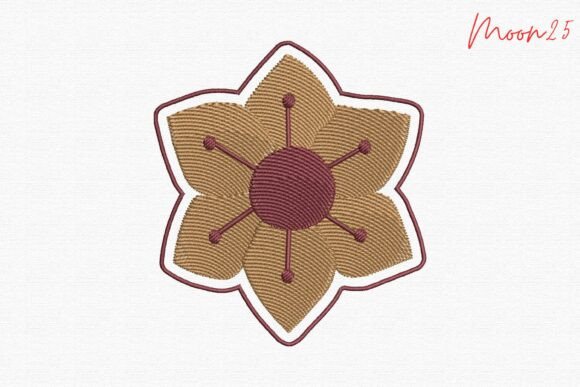
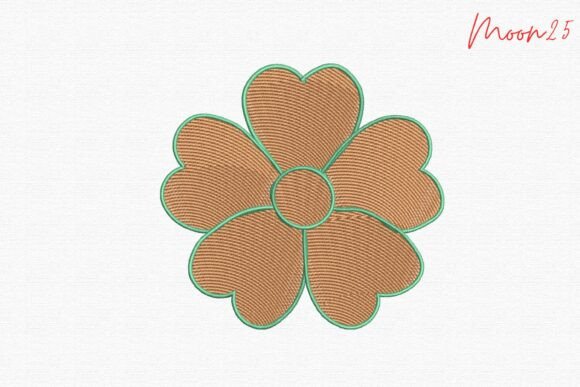
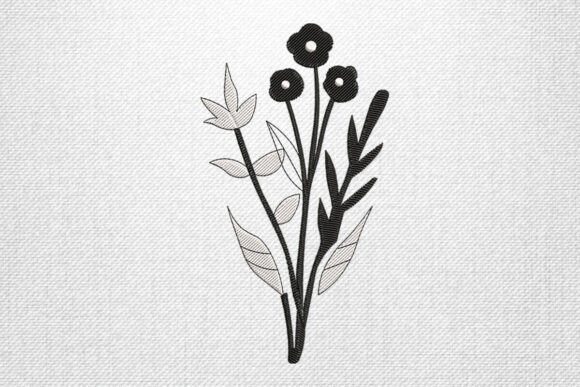
The immediate appeal of this design is its quiet confidence. It doesn’t scream for attention with dense fills or complex layers. Instead, it offers a clean floral outline and refined details, as the description states. This creates a visual mood of modern elegance. The stitching personality feels light and graceful, making it a versatile choice for projects where subtlety is key. It naturally fits the Single Flowers Plants category, but its application feels broader—it’s a standalone statement piece.
Where This Design Shines in Real Projects
Thinking about my own client work and inventory for my handmade shop, several applications come to mind immediately. The tote bag mention in the product description is spot-on. This design would elevate a simple canvas bag into a chic, market-ready item. For custom apparel, it’s perfect for the corner of a sweatshirt or the chest of a linen shirt, adding a touch of personality without overwhelming the garment.
Its minimalist nature makes it exceptionally suitable for baby items and nursery decor. On a baby blanket or a kitchen towel intended as a gift, the design is gentle and non-distracting. For Etsy listings and craft fair products, this aesthetic is currently very popular. It aligns perfectly with trends favoring clean lines and understated decoration, which can boost visual appeal in product photography and help with customer engagement.
Practical Performance on Various Surfaces
When considering real embroidery work, the design’s simplicity is a significant technical advantage. On textured fabric like linen or cotton canvas, clean outlines often perform better than intricate fill stitches. For stretchy fabric like jersey on caps, a design with less stitch density reduces puckering and stabilizer challenges. The refined details suggest it likely uses a combination of satin stitch for outlines and perhaps light running stitch or small fill areas, which should handle curved cap surfaces well.
Working on dark fabric requires good contrast. A minimalist outline design allows you to use a bold, bright thread color effectively, creating a striking look. For items like aprons or pillow covers that need frequent washing, less dense stitching can be more durable and less prone to snagging over time.
Adding Value to Your Handmade Business
Using a well-executed design like this directly affects product value and buyer trust. It conveys a sense of intentional design and craftsmanship. The handmade presentation feels professional and curated, which is crucial for brand consistency across your product line—whether you’re selling embroidered patches, tote bag designs, or personalized gifts. Its elegance also enhances giftability, making finished items feel special and thoughtfully chosen.
For digital product sellers and creative entrepreneurs creating printable mockups, this design serves as a clean, attractive design asset. It can be used to showcase potential embroidery on digital listings before you even stitch the first sample.
Essential Practical Steps Before You Stitch
No matter how promising a Creative Fabrica embroidery file looks, I never skip my pre-production checklist. Here are my recommendations for using the Minimalist Floral Embroidery Design commercially.
- Always test on scrap fabric. Use the same material and weight as your final project. This reveals how the refined details translate and checks for any unexpected jumps or trims.
- Check thread color contrast. Play with a few options on both light and dark backgrounds. A minimalist design’s impact hinges on this choice.
- Review stitch density in your machine software. Even simple designs can have small, dense areas. Adjust if necessary for delicate fabrics.
- Confirm the hoop size the design was intended for. While the product description doesn’t specify a size, you must check this on the Creative Fabrica product page. A design digitized for a large hoop may not reduce well for a small baby blanket corner.
- Use proper stabilizer. Match the stabilizer to your fabric, not just the design. A tear-away for stable cottons, a cut-away for knits.
- Inspect small details after stitching. Look closely at the cleanliness of outlines and the integrity of any small elements.
The Most Important Step: Check Product Details
Crucially, before selling any finished items, you must confirm the file details and licensing on the Creative Fabrica product page. The provided description gives a good sense of the design’s mood and suggested uses, but for commercial embroidery, you need precise information. Verify the actual digital embroidery file formats included (DST, PES, etc.), any specific licensing terms for commercial use, and if there are any usage restrictions. Never assume. This protects your business and ensures your finished product is legally sound.
Final Thoughts for Fellow Designers
The Minimalist Floral Embroidery Design is a strong candidate for projects requiring a modern, elegant touch. Its strength lies in its adaptability across many surfaces and its potential to elevate the perceived quality of your work. It feels less like a generic decorative element and more like a purposeful design choice. For apparel decorators, small business owners, and anyone creating handmade products, it’s a design worth exploring in your software and on your test fabric. Its true worth will be proven not just on the screen, but in the hoop, on the material, and finally, in the hands of a customer.